


How AI-Powered Smart Home Gadgets Are Changing Our Lives
In the last decade, smart home gadgets have moved from futuristic luxuries to everyday essentials. From controlling lights with your voice to adjusting your thermostat automatically, these devices make life easier, safer, and more energy-efficient. But what’s driving this revolution? The answer lies in artificial intelligence (AI).
AI isn’t just powering self-driving cars and chatbots—it’s quietly shaping the way our homes function. Smart home gadgets are now more intuitive than ever, learning your habits, predicting your needs, and connecting seamlessly with each other. Whether you’re an early adopter or just getting started, understanding how AI enhances smart home technology can help you choose the right devices for your lifestyle.
What Makes a Smart Home Gadget “Smart”?
At its core, a smart home gadget connects to your Wi-Fi or smart hub, allowing you to control it remotely through a smartphone app, voice command, or even automation. But when AI is integrated, these gadgets go beyond simple commands—they analyze data, learn patterns, and make decisions on their own.
For example:
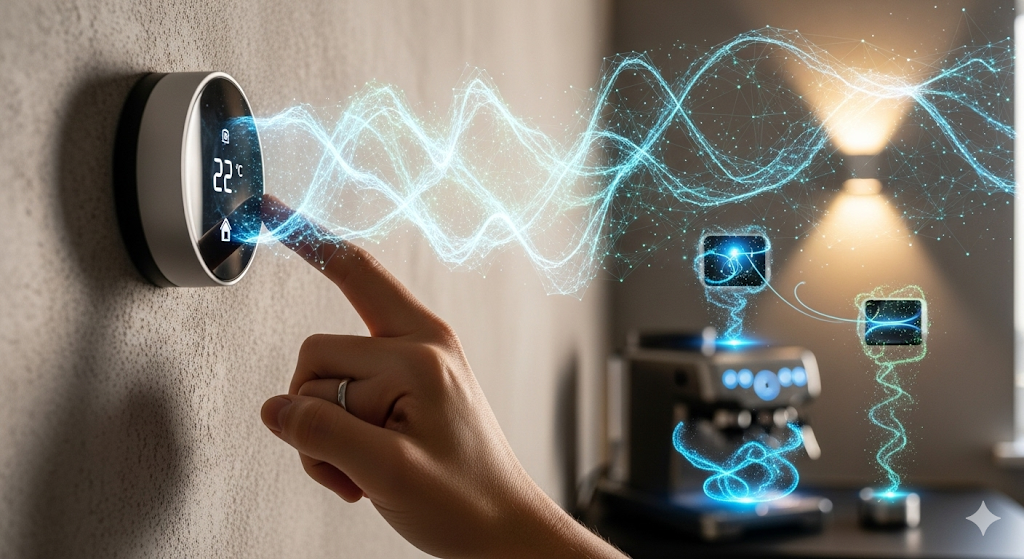
- A smart thermostat doesn’t just let you set a temperature from your phone. It learns when you’re home, tracks your preferences, and adjusts automatically to save energy.
- A smart speaker doesn’t just play music. It recognizes your voice, answers questions, and can control every other device in your smart ecosystem.
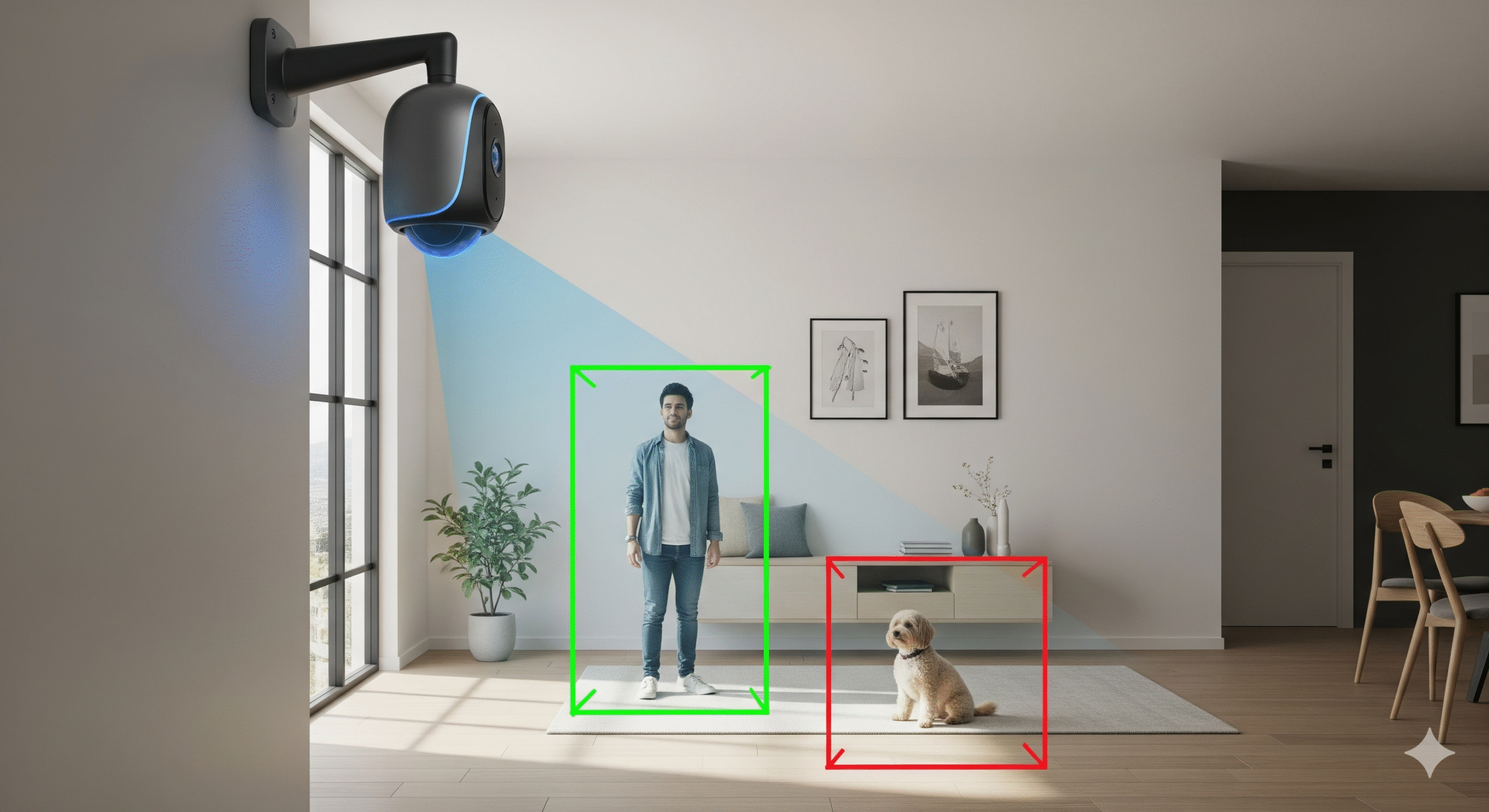
- A smart camera doesn’t just record footage. It distinguishes between people, pets, and objects—alerting you only when it matters.
This leap from automation to intelligence is what makes AI-driven gadgets the future of modern homes.
The Role of AI in Smart Home Gadgets
AI enhances smart devices in three main ways:
1. Learning & Personalization
AI-enabled gadgets study your daily routines—when you wake up, when you leave for work, and even what temperature you prefer at night. Over time, they adjust automatically to fit your habits.
2. Predictive Decision-Making
Instead of waiting for you to give commands, AI anticipates your needs. For example, your lights may dim when you start watching TV, or your coffee machine may turn on when your morning alarm goes off.
3. Seamless Integration
Through AI, smart gadgets communicate with each other. A door sensor can tell your thermostat to pause heating when no one is home, or a motion detector can notify your security cameras to start recording.
Popular AI-Powered Smart Home Gadgets
If you’re looking to upgrade your home with AI-enabled technology, here are some of the most popular categories of devices:
1. Smart Speakers & Voice Assistants
Devices like Amazon Echo (Alexa), Google Nest Hub, and Apple HomePod act as the brains of your smart home. They allow hands-free control of other gadgets, answer questions, and even create custom routines.
2. Smart Thermostats
Brands like Nest and Ecobee use AI to learn your heating and cooling habits. They optimize energy use, lower utility bills, and ensure comfort year-round.
3. Smart Security Cameras & Doorbells
Products such as Ring, Arlo, and Eufy leverage AI to detect motion, recognize faces, and reduce false alerts. They can also integrate with alarms and smart locks for full security.
4. Smart Lighting Systems
AI-powered lights from Philips Hue or Wyze can adjust brightness and color based on your mood, activity, or time of day. Some even sync with movies and music for immersive experiences.
5. Smart Appliances
From robot vacuums like Roomba that map your home with AI to smart refrigerators that track expiration dates, AI is making household chores less of a burden.
Benefits of AI-Powered Smart Home Gadgets
- Convenience: Control devices with a tap or a voice command.
- Energy Efficiency: AI optimizes usage, reducing electricity bills.
- Security: Smart cameras and sensors provide real-time alerts.
- Accessibility: Great for elderly or disabled individuals, offering independence and safety.
- Customization: Devices learn and adapt to your unique lifestyle.
Challenges & Things to Consider
While the benefits are massive, it’s important to think about potential downsides:
- Privacy Concerns: AI devices collect data to function properly. Always check how brands handle your information.
- Compatibility Issues: Not all gadgets work with every ecosystem (Alexa, Google Home, Apple HomeKit).
- Cost: Premium AI devices can be pricey, though they often save money long-term.
Future Trends in AI and Smart Homes
The smart home industry is still evolving, and AI will continue to be the game-changer. Some exciting upcoming trends include:
- Smarter Energy Management: AI predicting peak energy times and balancing usage.
- Healthcare Integration: Smart wearables connecting with home devices to monitor health conditions.
- Fully Automated Homes: Homes that adjust every system—lighting, temperature, security—without human input.
- Enhanced Interoperability: More devices working across ecosystems without compatibility issues.
Final Thoughts
AI-powered smart home gadgets are no longer futuristic—they’re practical, affordable, and transforming how we live every day. Whether you start small with a smart speaker or go all-in with a fully automated home, the possibilities are endless.
If you’re planning to invest in smart home technology, focus on AI-enabled gadgets that offer personalization, integration, and long-term value. The future of home living is here—and it’s smarter than ever.



Leave a comment